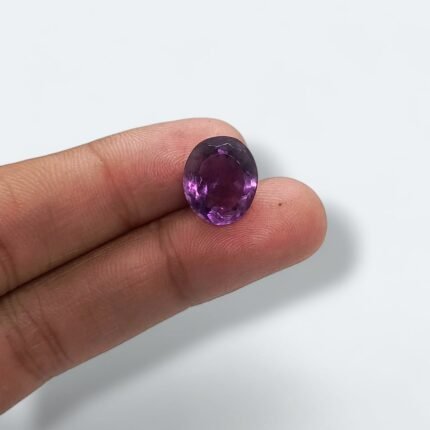
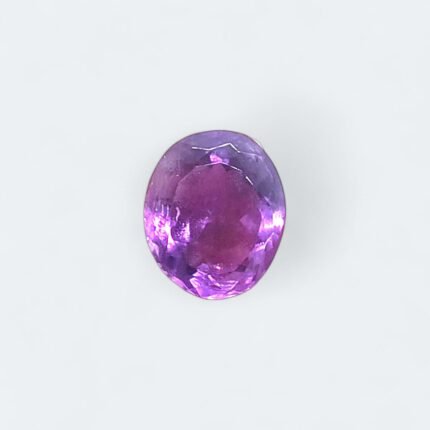
Amethyst
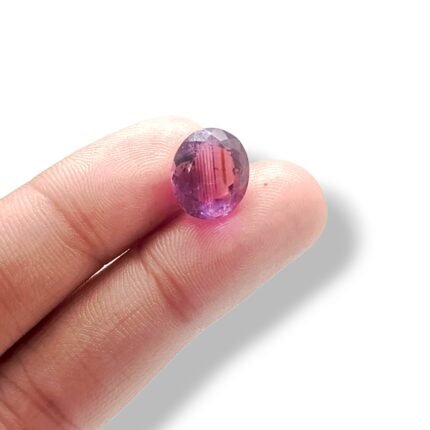
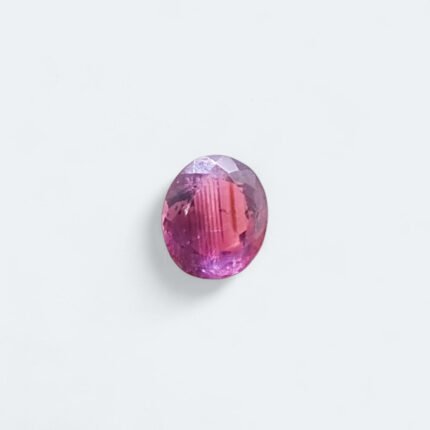
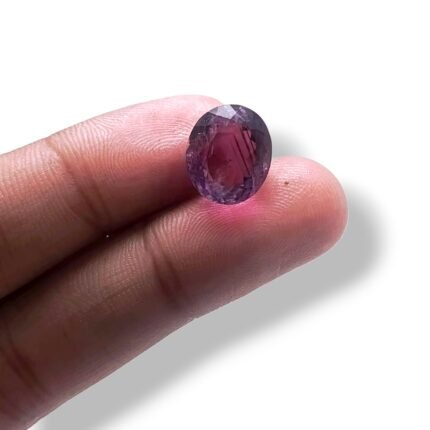
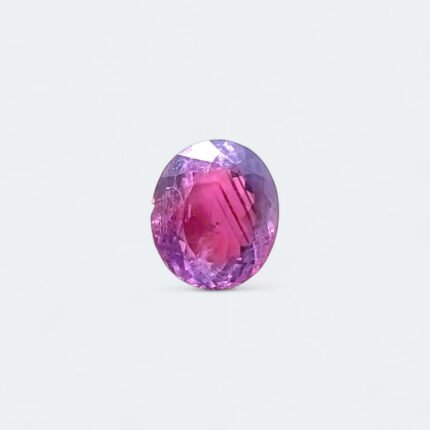
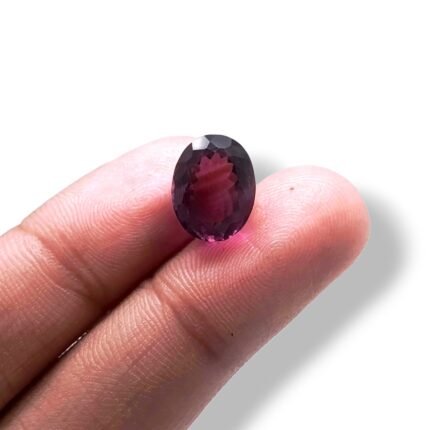
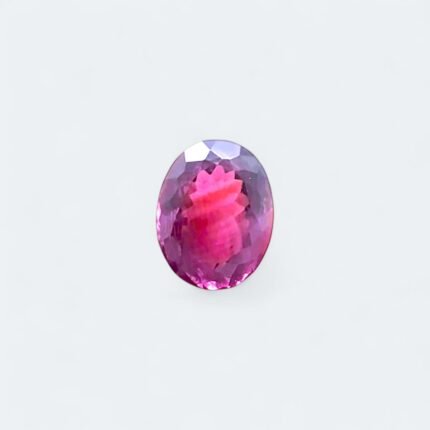
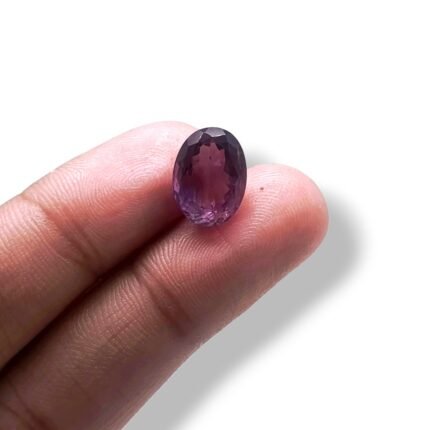
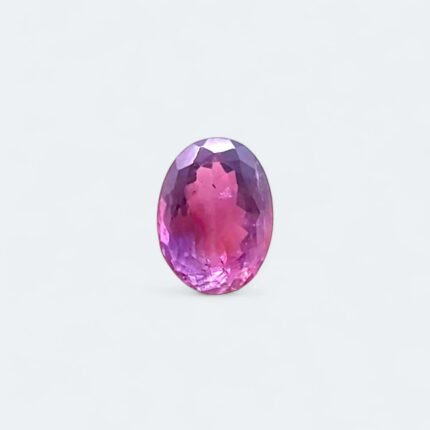
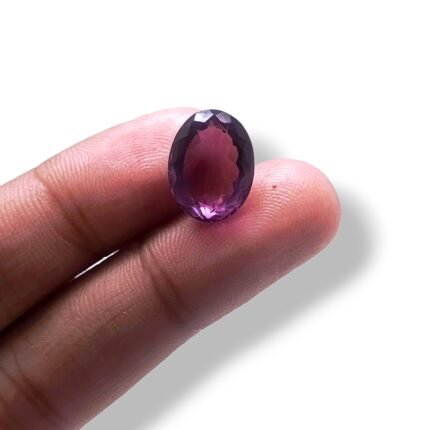
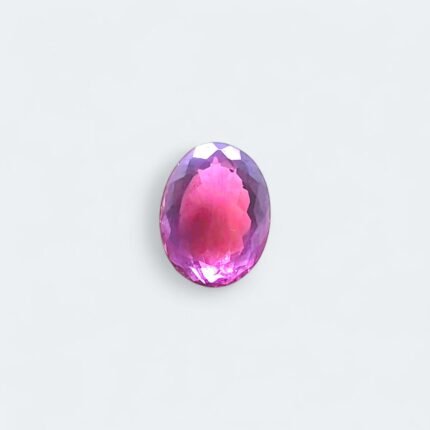
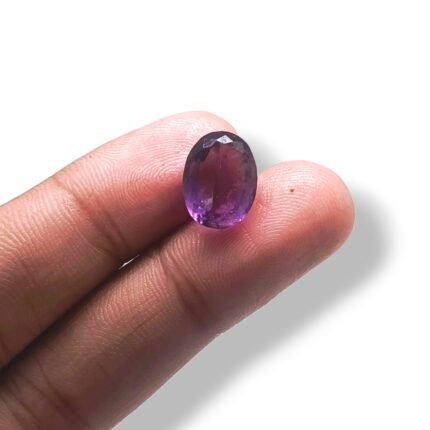
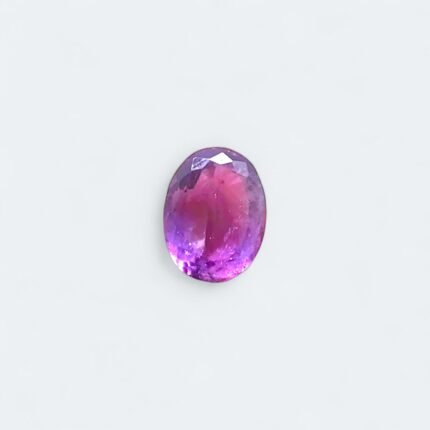
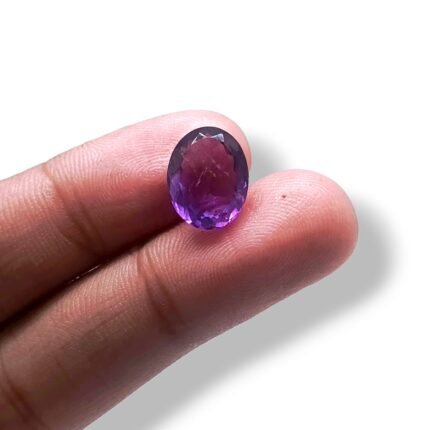
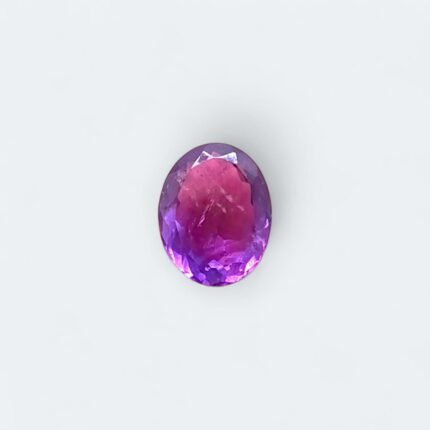
Amethyst is a violet variety of quartz. The name comes from the Koine Greek αμέθυστος amethystos from α- a-, "not" and μεθύσκω (Ancient Greek) methysko / μεθώ metho (Modern Greek), "intoxicate", a reference to the belief that the stone protected its owner from drunkenness. Ancient Greeks wore amethyst and carved drinking vessels from it in the belief that it would prevent intoxication.
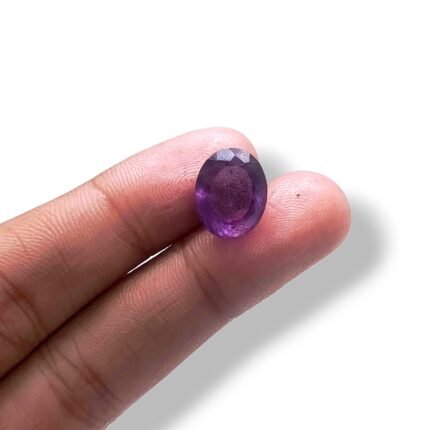
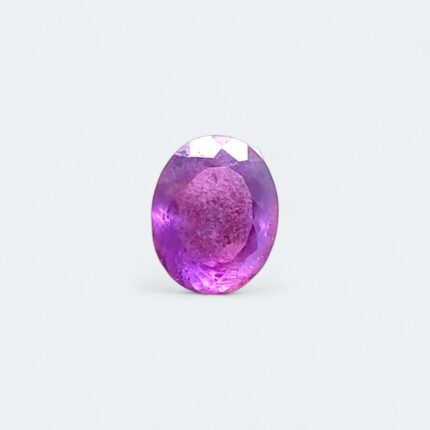
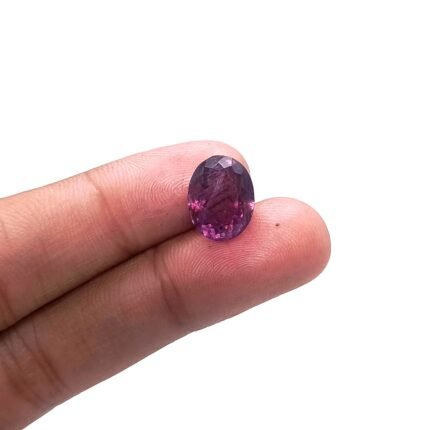
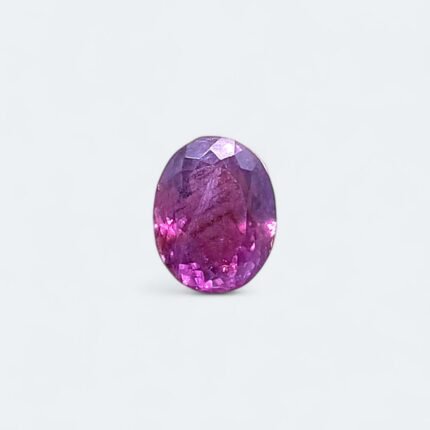
Natural Amethyst 7.60 ct
Natural Amethyst 11.10 ct
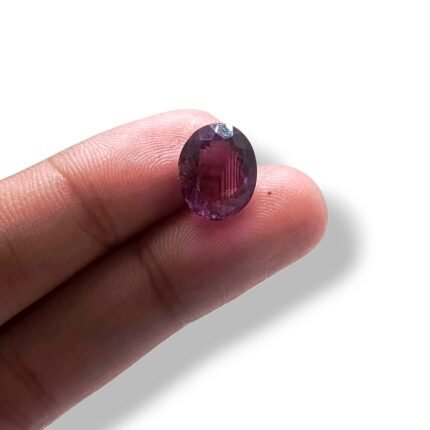
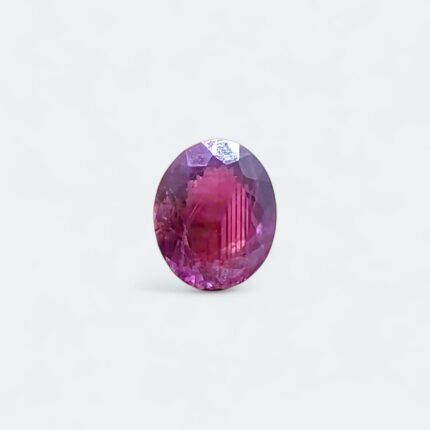
Natural Amethyst 8.25 ct
Natural Amethyst 6.45 ct
Natural Amethyst 9.10 ct
Natural Amethyst 9.50 ct
Natural Amethyst 7.50 ct
Natural Amethyst 5.70 ct
Natural Amethyst 9.75 ct
Natural Amethyst 9.55 ct
Natural Amethyst 9.30 ct
Amethyst Stone (یاقوتِ جمشیدی / جامِ شیریں): Benefits, Price & Who Should Wear (2025 Guide)
The Amethyst Stone is a gemstone of captivating beauty, renowned for its stunning purple hues that range from the softest lavender to the deepest, most regal violet. This mesmerizing color has associated it with royalty, spirituality, and tranquility for millennia. Known in Urdu as “Jam-e-Shirin” (جامِ شیریں) or “Yaqoot-e-Jamshidi” (یاقوتِ جمشیدی) , it is a variety of quartz prized not only for its ornamental value but also for its profound spiritual properties of peace, protection, and clarity . At Pearl Gems, we are honored to offer certified, genuine Amethyst stones, including specimens sourced from the finest deposits around the world, and we are particularly proud to feature high-quality Amethyst found in the majestic mountains of Pakistan’s northern regions (Gilgit-Baltistan) , which are celebrated for producing exceptional crystals
What is Amethyst Stone?
Amethyst is the purple variety of quartz (silicon dioxide), and its attractive color has made it one of the most popular and widely used gemstones in the world . The name “amethyst” comes from the ancient Greek word amethystos, which means “not intoxicated,” as the stone was long believed to protect its wearer from drunkenness .
The Source of its Color
The stunning purple color of amethyst is caused by trace amounts of iron and other impurities within the crystal structure, combined with natural irradiation over millions of years . The most prized amethyst displays a rich, velvety purple to reddish-purple hue, with flashes of red when turned in the light .
Key Physical Properties
Hardness: Amethyst ranks 7 on the Mohs scale, making it durable enough for everyday wear in rings, pendants, and earrings, though care should be taken to avoid scratching it against harder gemstones like diamonds or sapphires .
Clarity: Fine amethyst is typically “eye-clean,” meaning no inclusions are visible to the naked eye. However, natural stones may contain subtle, feather-like inclusions which are a sign of authenticity .
Origin: Amethyst is found in many parts of the world. While Brazil and Zambia are major global sources, Pakistan is also recognized for producing beautiful, top-quality amethyst specimens, particularly from the northern areas .
At Pearl Gems, we select amethysts with vibrant, even color and excellent clarity, ensuring you receive a stone of both beauty and substance.
Spiritual Benefits of Amethyst
Amethyst is a stone of profound spiritual significance, revered for its high vibrational energy that promotes peace, protects from negativity, and enhances spiritual awareness.
🛡️ Powerful Protection from Negativity & the Evil Eye (Nazar)
One of the most cherished benefits of amethyst is its ability to act as a powerful shield. It is widely believed to:
Protect against the evil eye (nazar), black magic, and evil spirits, creating a resonant shield of spiritual light around the body .
Deflect negative energies, psychic attacks, and unhealthy environmental influences .
Act as a barrier against lower astral energies, keeping the wearer’s energy field clean and clear .
🧠 Promotes Mental Clarity, Calmness & Emotional Balance
In a world full of stress, amethyst is a sanctuary of tranquility. It is known to:
Calm an overactive mind, reduce stress and anxiety, and bring emotional stability .
Help alleviate headaches and lessen the frequency of nightmares and insomnia, promoting restful sleep .
Balance mood swings and bring a sense of inner peace and serenity.
🕊️ Enhances Spiritual Connection & Piety
Amethyst has a long association with spirituality and is often used in meditation and prayer. It is believed to:
Enhance intuition and spiritual awareness, facilitating a deeper connection to the divine .
Purify the wearer’s energy field of negative influences and attachments .
Symbolize piety, humility, and sincerity—qualities highly valued in a believer .
🌟 Attracts Positive Energy & Personal Growth
Promotes personal growth and attracts positive energy into one’s life .
Encourages selflessness and helps the wearer focus on higher goals.
Brings clarity to decision-making, helping one discern the right path.
Who Should Wear Amethyst Stone?
Amethyst is one of the most universally gentle and accessible gemstones. Its energy is supportive and non-intrusive, making it suitable for a wide range of individuals. The question “who can wear amethyst stone” has a wonderfully inclusive answer.
Universal Suitability
Unlike some powerful planetary gems that require strict astrological consultation, amethyst is known for its harmonious energy. It carries no severe spiritual contraindications and can be worn by anyone, regardless of age or background, who is drawn to its beautiful purple color and calming properties .
Astrological Associations
While safe for all, amethyst is traditionally associated with certain zodiac signs:
It is strongly linked to Pisces (Hoot – حوت), Aquarius (Daloo – دلو), and Sagittarius (Qaus – قوس) .
It is considered the February birthstone .
In some astrological traditions, it is associated with the planet Jupiter (Guru – مشتری) and is believed to bring peace, stability, and wisdom to its wearer .
Ideal for Specific Professions & Life Situations:
Those in High-Stress Environments: Its calming energy makes it a perfect companion for anyone dealing with stress, anxiety, or emotional overwhelm.
Students & Academics: It enhances focus, memory retention, and promotes calm during exams.
Meditators & Spiritual Seekers: It deepens meditation practice and enhances spiritual awareness.
Anyone Seeking Protection: For those who feel vulnerable to negative energies or wish to shield themselves from the evil eye (nazar).
The Islamic Perspective on Wearing Amethyst
As a company based in Pakistan, we believe it is essential to address the wearing of gemstones from an authentic Islamic perspective, ensuring our customers can enjoy these beautiful creations of Allah (SWT) with a sound and faithful heart.
Amethyst in Islamic Tradition
Amethyst, known as Yaqoot-e-Jamshidi or Jam-e-Shirin, has been appreciated in Islamic cultures for its beauty and spiritual qualities. Islamic tradition acknowledges that gemstones can carry vibrational benefits and are wonderful resonators that can positively interact with the human energy system . It is believed that amethyst can help strengthen the energy centers and make them less permeable to negative influences .
The Permissibility of Adornment
In Islam, it is permissible for both men and women to wear gemstones and rings, as long as it is done within the boundaries of modesty and without extravagance. Allah has blessed mankind with countless treasures from the earth for our benefit and enjoyment. The Holy Quran reminds us:
“And He has subjected to you whatever is in the heavens and whatever is on the earth – all from Him. Indeed in that are signs for a people who give thought.” (Surah Al-Jathiyah, 45:13)
This verse encompasses all of creation, including the beautiful stones from the earth that we can appreciate and wear as adornment.
The Example of the Righteous
Islamic history provides beautiful examples of the Companions wearing gemstones. A tradition states that Ali (RA) used to wear four rings on his hand, including opal (yaqut) for beauty and dignity, turquoise for divine help, and carnelian (aqeeq) for protection . This establishes the precedent that wearing gemstones with good intentions is a praiseworthy practice.
The Core Belief (Tawheed)
The most fundamental principle in Islam is Tawheed, the absolute Oneness of Allah. A Muslim’s belief must be that no gemstone, object, or person has any independent power to benefit or harm. All benefit, protection, and provision come from Allah (SWT) alone. The calming feeling or sense of protection one might experience while wearing amethyst is a blessing from Allah, facilitated through this beautiful part of His creation. It is a means, not a source.
Intentions and Avoiding Superstition
Wearing amethyst should be approached with the correct intention (niyyah). One may wear it as a permissible adornment, appreciating the beauty Allah has created. One may also wear it with the dua (supplication) that Allah, in His infinite mercy, may grant the wearer some of the qualities symbolized by the stone, such as calmness, protection, and spiritual clarity. Believing that a stone has an inherent power independent of Allah’s will is considered a form of superstition, which is discouraged in Islam.
Cleansing and Purification
In Islamic tradition, it is recommended to keep gemstones pure and clean to maintain their effectiveness, as they may accumulate negative energies from the environment . Daily cleansing and wearing the gemstones during prayer and other rituals helps maintain their efficacy .
At Pearl Gems, we encourage our customers to wear these beautiful creations of Allah with gratitude and pure intention, while keeping their faith and trust firmly placed in Him alone. The stone can be a reminder to seek peace, speak truth, and remain protected—all qualities beloved in a believer.

Amethyst Stone Price in Pakistan & Value
Amethyst offers exceptional beauty at various price points, making it a favorite among both collectors and jewelry lovers. Its value in Pakistan (PKR) is determined by a combination of distinct factors.
Factors Determining Price:
Color (The Most Important Factor): The value increases with the saturation and purity of the purple. The most prized amethyst displays a rich, velvety purple or reddish-purple hue with no visible color zoning when viewed from above . Deep “Siberian” or “Royal” purple with red flashes commands the highest prices .
Clarity: Fine amethyst is typically “eye-clean.” Stones with no visible inclusions to the naked eye are more valuable. However, some natural inclusions are acceptable and can be a sign of authenticity .
Cut: A masterful cut maximizes the stone’s brilliance and color. Well-proportioned facets enhance the stone’s life and sparkle .
Carat Weight: Larger stones with fine color are rarer and command a premium per carat.
Origin: While origin alone doesn’t determine value, stones from certain sources like Zambia or Brazil are renowned for their quality . Pakistani amethyst from the northern areas can also be of excellent quality .
Estimated Price Range in Pakistan (PKR Per Carat):
| Quality Grade / Color | Price Range Per Carat (PKR) | Typical Characteristics |
|---|---|---|
| Commercial Grade | Rs. 500 – Rs. 2,000 | Light purple color; may have visible inclusions or zoning. |
| Good Quality | Rs. 2,000 – Rs. 8,000 | Good purple saturation; eye-clean to slightly included; good cut. |
| Premium Grade | Rs. 8,000 – Rs. 20,000+ | Deep, rich royal or reddish-purple; excellent clarity; masterful cut. |
Note: These prices are estimates based on market observations from sources like and can vary based on current market conditions, exact carat weight, and overall quality .
How to Identify a Real Amethyst Stone
Amethyst is occasionally imitated with glass, synthetic amethyst, or dyed quartz. Here are reliable ways to distinguish a genuine amethyst:
The Temperature Test: Genuine amethyst feels distinctly cool to the touch and will take a moment to warm up in your hand. Glass will warm up much faster .
The Inclusion Test: Use a 10x jeweler’s loupe. Natural amethyst may contain tiny, natural imperfections or “feathers.” Synthetic (lab-grown) amethyst is often too perfect and flawless, which can be a red flag . Glass imitations may contain tiny, telltale air bubbles, which are never found in natural stones .
The Color Test: Examine the color distribution. Natural amethyst often has subtle variations in color intensity, while dyed imitations may have color concentrated in cracks or appear unnaturally uniform .
The Hardness Test: Amethyst (Mohs 7) will not be easily scratched by a steel knife (hardness ~5.5). However, this is a destructive test and should only be done on an unpolished area as a last resort.
The UV Test: Some sources suggest that real amethyst may glow under ultraviolet light, though this is not a definitive test for all specimens .
Certification: The most reliable way to ensure you have an authentic, natural stone is to purchase from a reputable dealer like Pearl Gems, who provides a certificate of authenticity.
How to Wear Amethyst Stone
Amethyst’s gentle and supportive energy requires no complex rituals. However, a simple, mindful approach can enhance your personal connection to the stone.
| Aspect | Recommendation |
|---|---|
| Metal | Silver is the traditional and most recommended metal for amethyst, as it complements its cool purple tones and enhances its spiritual properties . White gold is also an excellent choice. |
| Finger | For astrological benefits, it is often worn on the middle finger of the right hand . However, no strict rules apply, and wearing it on any finger that feels comfortable is acceptable. |
| Day & Time | No specific time is required. However, if you wish to make the first wearing special, doing so on a Friday morning (a blessed day for Muslims) with a prayer for peace and protection can be a beautiful practice. |
| Purification (Shuddhi) | Cleanse the stone with lukewarm water and mild soap, using a soft brush. Rinse well and dry with a soft cloth. For spiritual refreshment, you can place it under moonlight overnight . Some traditions recommend cleansing in saltwater, but be cautious as prolonged exposure to salt may damage some stones. |
| Intention (Niyyah) | Hold the cleansed stone in your hands, close your eyes, and set a clear intention for its purpose in your life. Ask Allah to grant you peace, protection, and clarity through the beauty He has created. |
Care & Maintenance of Amethyst
With a hardness of 7 on the Mohs scale, amethyst is durable enough for regular wear but requires sensible care to maintain its beauty for a lifetime .
Cleaning: The safest method is to clean with lukewarm water, mild dish soap, and a soft toothbrush. Gently scrub, rinse well, and pat dry with a soft, lint-free cloth .
Storage: Store your amethyst jewelry separately in a fabric-lined jewelry box or a soft pouch. It can be scratched by harder gemstones (like diamonds, sapphires, or topaz) and can itself scratch softer ones.
Avoid:
✗ Harsh chemicals: Keep it away from household cleaners, bleach, chlorine (swimming pools), and even perfumes and hairspray.
✗ Ultrasonic and steam cleaners: While sometimes considered safe, gentle hand-washing is always the safest option to avoid any risk.
✗ Extreme heat and prolonged direct sunlight: Amethyst color can fade with prolonged exposure to intense heat or direct sunlight . Remove it before using a sauna or hot tub, and avoid leaving it in direct sun for extended periods.
✗ Wearing during rough activities: Remove your amethyst jewelry before gardening, heavy sports, or any activity that might subject it to sharp blows.
Frequently Asked Questions (FAQ)
Q: What is Amethyst called in Urdu?
A: Amethyst is known in Urdu as “Jam-e-Shirin” (جامِ شیریں) or “Yaqoot-e-Jamshidi” (یاقوتِ جمشیدی) .
Q: Is Amethyst a natural gemstone?
A: Yes. Amethyst is a naturally occurring variety of quartz, mined from countries like Brazil, Zambia, and Pakistan .
Q: Can I wear Amethyst every day?
A: Yes. With a hardness of 7 Mohs, it is durable enough for everyday wear. Simply follow standard care guidelines—remove during heavy labor and avoid harsh chemicals .
Q: What are the spiritual benefits of Amethyst in Islam?
A: In Islamic tradition, amethyst is believed to have many spiritual benefits, including protection against the evil eye (nazar), promoting inner peace and tranquility, enhancing spiritual awareness, and purifying one’s energy field .
Q: Which finger should I wear Amethyst on?
A: For astrological benefits, it is often recommended to wear it on the middle finger of the right hand . However, it can be worn on any finger based on personal preference.
Q: Is it permissible to wear Amethyst in Islam?
A: Yes. It is permissible to wear as an adornment, following the example of the Companions who wore gemstone rings . The believer should wear it with the understanding that all benefit comes from Allah alone, without attributing independent power to the stone.
Q: How can I tell if my Amethyst is real?
A: Check for a cool-to-touch temperature, examine under magnification for natural inclusions (not perfect bubbles), look for even but naturally varied color, and buy from reputable sellers with certification .
Q: What is the best metal for Amethyst?
A: Silver is traditionally recommended as it best complements amethyst’s spiritual properties and cool purple tones .
Q: Does Amethyst fade in sunlight?
A: Prolonged, direct, intense sunlight may cause some fading over many years. Avoid leaving it in direct sun for extended periods when not being worn .
Explore Our Divine Amethyst Collection
At Pearl Gems, each Amethyst is a fragment of royal purple tranquility—a stone of peace, protection, and spiritual clarity. We offer certified, authentic instruments of calm and positivity for your personal, professional, and spiritual journey.
Whether you are drawn to the soft, serene lavender of lighter amethysts or the deep, regal purple of premium specimens, our collection presents stones of exceptional clarity, masterful cut, and genuine energetic presence.
A Gentle Reminder from Pearl Gems: Amethyst is a beautiful gift from Allah, a stunning example of His creative power. Wear it as an adornment, appreciate its beauty, and let it serve as a reminder of the peace, protection, and clarity you seek in your life, with your heart firmly placed in reliance on Him alone. May it bring tranquility to your soul and shield you from all harm, by the will of Allah.
“And He has subjected to you whatever is in the heavens and whatever is on the earth – all from Him. Indeed in that are signs for a people who give thought.” (Surah Al-Jathiyah, 45:13)